From Alibi
There are at least 50 shades of green. And every eco-warrior—from the bleeding heart co-op member who drives a hybrid and composts religiously, to the family values-touting farmer who stands against GMOs and pesticide overuse but couldn’t care less how “quinoa” is pronounced—will die someday. Buying organic, composting and recycling are well and good, but a legacy of resting-in-peace-while-saving-the-planet is the definition of walking the eco-conscious walk.
Conventional interment typically involves embalming and use of a casket and burial vault. But this “conventional” method of burial only came into widespread use in the US after the Civil War. Sure, ancient Egyptians also practiced a version of embalming in their mummification tradition, but they didn’t use cancer-causing chemicals to arrest the decomposition process and provide a “lifelike” appearance after death.
Prior to the Civil War, traditional American burial did notinvolve injecting corpses with formaldehyde, methanol and preservatives. Caskets were typically simple, biodegradable pine boxes. Embalming gained a larger audience after a black bunting-draped rail car facilitated the three-week funereal passage of Abraham Lincoln’s body from Washington, DC to Springfield, Ill.
[The funeral industry] is still involved with products and practices that only made sense to a culture that was infatuated with industrialization and sanitation.
Joe Sehee
Cemeteries themselves are an ecological nightmare. Even in the high desert, the expectation is that cemeteries are supposed be perfectly grassy and manicured. Along with wasteful watering, pesticide overuse in groundskeeping adds to the decidedly un-green box-based system of burying human remains soaked with a chemical solution of preservative, sanitizing and disinfectant agents and additives.
As more people begin considering their impact on the planet, the “green burial” movement has gained momentum. Weekly Alibi spoke with Green Burial Council founder Joe Sehee about dying green and the challenge of promoting the thoughtful consideration of a topic many people dread thinking about. Sehee says, “The council’s mission is fourfold, focusing on protecting death-care industry worker health, conserving natural resources, reducing carbon emissions and preserving and restoring habitat.” He acknowledges that exciting options for going green as a final act—think reforesting burial pods, transforming cremains into vinyl records or diamonds, and composting human bodies—start conversations about mortality, but any process or product the council backs must address the full scope of its mission.
Based out of Santa Fe, the Green Burial Council provides a set of verifiable standards for the death care industry and associated vendors of products like caskets and urns. For example, a cemetery can earn one of three ratings from the council. A one-leaf rating requires that hybrid burial grounds do not require embalming, offer options for burial without a vault and allow all eco-friendly containers, including shrouds. Earning a three-leaf rating from the council is a substantially more challenging, intensive process.
Exciting options for going green as a final act—think reforesting burial pods, transforming cremains into vinyl records or diamonds, and composting human bodies—start conversations about mortality, but any process or product the council backs must address the full scope of its mission.
Although green burials are becoming more available, the primary focus of the funeral industry is profit. “The industry is so out of touch with where we are as a society,” says Sehee. “It’s still involved with products and practices that only made sense to a culture that was infatuated with industrialization and sanitation.”
Sehee, a former Jesuit minister, says, “There are no federal or state laws requiring embalming or the use of caskets or burial vaults.” But most cemeteries do require the use of burial vaults, massive blocks of cement that encase the casket and prevent settling. Mowing an uneven cemetery requires more labor and costs the owner more. For Seehee, the purpose of end-of-life rites is “creating space to honor the dead, heal the living and invite in the divine.”
A growing number of Americans are choosing to be cremated, but Sehee urges folks to consider the fact that green burial is ecologically superior to the energy-intensive cremation process. Green burials are chemical and casket-free whole body interments. Biodegradable shrouds replace resource-intensive caskets, and the body is buried in a naturalistic setting, sometimes with the benefit of protecting endangered habitats by being buried in them.
Sehee doesn’t deny that prevalent myths about the history of US funeral customs—like the idea that embalming or burial vaults are necessary—are problematic, but he also professes sympathy for funeral directors. “Talk about cognitive dissonance. I’d go to funeral association trade conventions and talk to them. I developed a lot of compassion for funeral directors. Imagine if you were taught something by your father and grandfather and even your college—and it turns out not to be true.”
As for his opinion of the industry itself, Sehee remains skeptical. “The industry uses funeral directors as their frontline marketing. The National Funeral Directors Association (NFDA) and some other industry associations have prevented the field from professionalizing as it needs to—moving away from this merchandising-based business toward a model that allows people with the psychosocial and spiritual training to help people at the end of life.”
To learn more about eco-friendly burial options, visit greenburialcouncil.org.


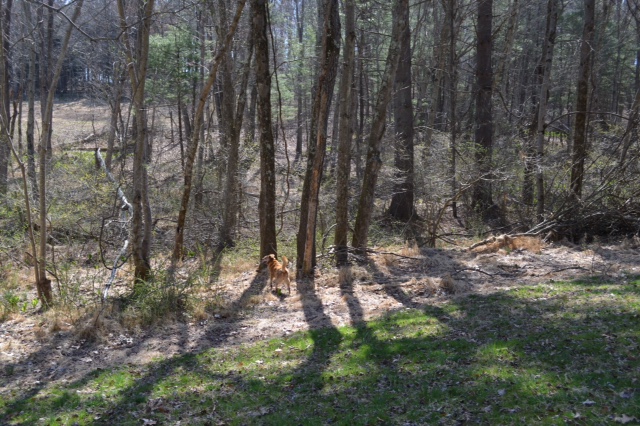
 Resh Mill Preserve